
How Much Can My SUV Tow?
Configuring a passenger vehicle for hauling trailing cargo requires a precise understanding of automotive weight ratings and mechanical limits to preserve mechanical safety on public highways. Many utility vehicle owners mistakenly assume that having a massive engine automatically translates into unlimited hauling capacity, ignoring critical structural boundaries like braking limits and axle strength. Overloading a vehicle beyond its certified thresholds places extreme strain on the transmission, compromises steering control, and drastically increases stopping distances during emergency braking maneuvers. Educating yourself about your vehicle’s specific weight capacities ensures that your travel trailers or watercraft remain securely attached, preventing catastrophic accidents.
Calculating Gross Vehicle Weight Ratings Meticulously
Determining the exact weight thresholds established by your vehicle’s manufacturer represents the absolute starting point for any safe trailer setup. Drivers must locate the safety compliance certification label inside the driver's side door jamb, which lists the Gross Vehicle Weight Rating and Gross Combined Weight Rating. These official numbers dictate the maximum allowable weight of the vehicle, including passengers, cargo, and the tongue weight pushing down on the rear bumper. Exceeding these engineering limits causes your transmission to overheat rapidly and places dangerous stress on your wheel bearings. Checking these internal ratings before pinning a trailer coupler onto your tow hitch protects your engine from premature failure.
Assessing Various Hitch Class Configurations
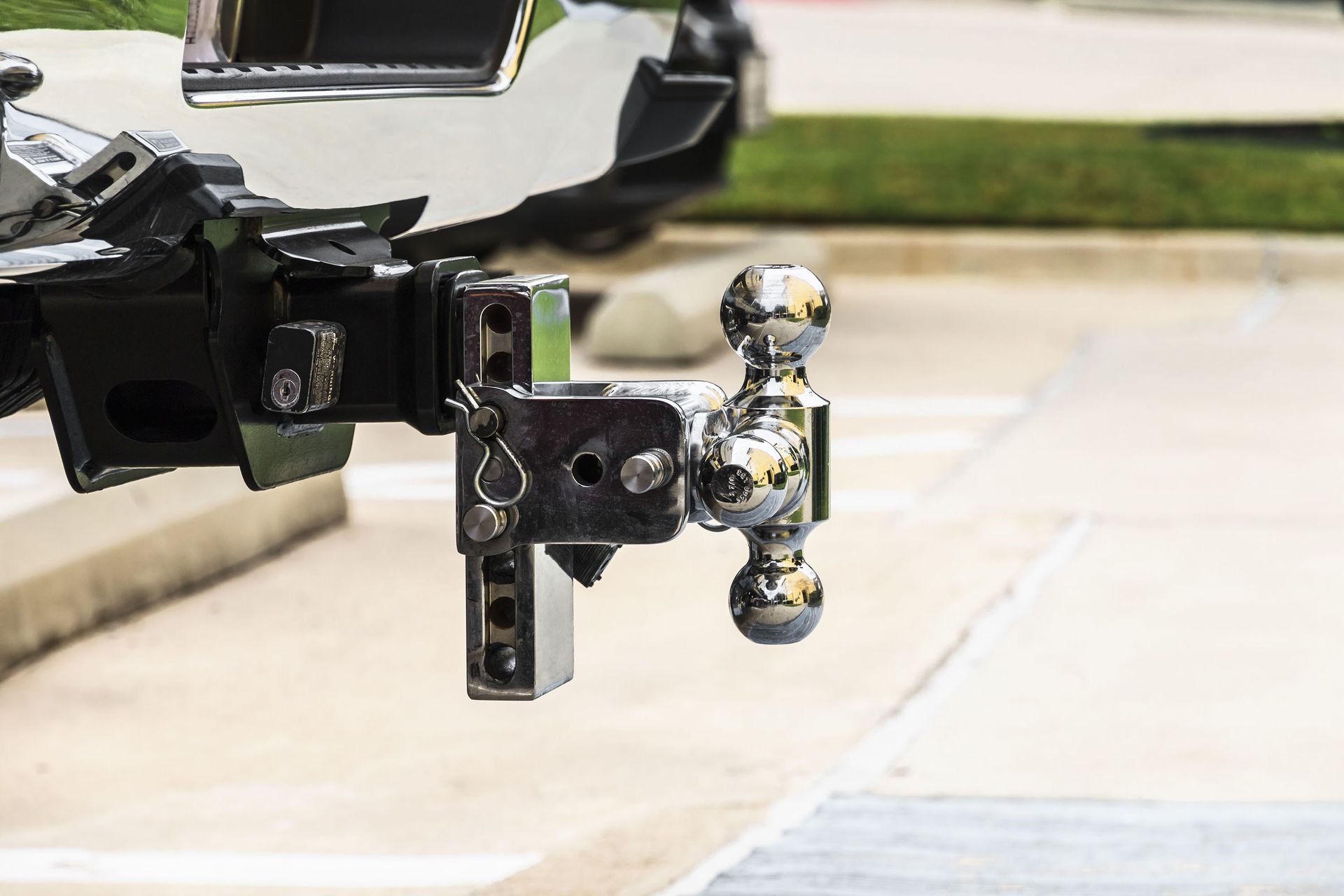
Selecting the correct receiver hardware mounted beneath your rear bumper directly dictates the maximum physical load you can pull safely. Even if your vehicle boasts a high-horsepower engine, your actual hauling capacity remains limited by the mechanical rating of your receiver assembly. According to U.S. News and World Report, ranging from Class I (light duty, up to 2,000 pounds) to Class V (heavy-duty, up to 20,000 pounds), different hitch classes significantly affect how much an SUV can tow. Installing a lightweight Class I receiver means you cannot safely pull a heavy camper, regardless of engine size. Matching your trailer weight to a robust tow hitch setup avoids structural failures.
Factoring Cargo and Passenger Weight Internally
Evaluating the true weight distribution inside your vehicle cabin is essential because every passenger and suitcase reduces your maximum payload capacity directly. Many operators forget that the total weight listed in the owner's manual assumes only a single driver is inside an empty vehicle. When you pack a family of five, load up heavy coolers, and stack bicycles onto the roof, you consume hundreds of pounds of your gross combined weight limit. This internal cargo weight subtracts directly from the leftover capacity available for pulling a trailer. Ensuring you account for internal cargo before locking your ball mount into the tow hitch keeps your journey safe.
Monitoring Transmission Fluid Thermal Overheating
Managing transmission temperatures while pulling heavy loads up steep mountain inclines prevents incredibly expensive mechanical breakdowns on the highway. Hauling heavy cargo forces the torque converter to slip continuously, generating intense internal friction that bakes transmission fluid and destroys internal gears. Many heavy-duty utility vehicles feature built-in factory towing packages that include specialized auxiliary fluid coolers to combat this extreme heat. If your vehicle lacks these cooling upgrades, you should restrict your weight limits significantly or install an aftermarket cooling core. Checking your fluid levels before sliding your ball mount into the tow hitch protects your transmission gears.
Distributing Trailer Tongue Weight Harmoniously
Balancing the physical downforce exerted by the trailer coupler onto the rear of your vehicle is critical for steering and braking control. The tongue weight should represent roughly ten to fifteen percent of the total loaded trailer weight to ensure smooth tracking down the road. If the tongue weight is too low, the trailer will sway violently from side to side at highway speeds, causing a dangerous loss of physical control. Conversely, excessive downforce compresses the rear suspension, lifting the front tires off the asphalt and compromising steering precision. Balancing this tongue weight evenly across your tow hitch assembly maintains vital vehicle handling characteristics.
Upgrading Braking Power for Heavy Loads
Stopping hundreds of extra pounds on a downhill grade requires a responsive, high-performance braking system that resists thermal fade. Standard passenger brake pads are engineered to stop the weight of the vehicle alone, meaning they will quickly smoke, overheat, and fail if forced to halt a heavy camper without assistance. Most states require trailers weighing over three thousand pounds to feature independent electric or surge braking systems that operate alongside the tow vehicle. Installing an electronic brake controller inside your cabin coordinates these separate systems perfectly, preventing the trailing load from shoving your rear bumper sideways during sudden emergency stops on local highways.
Measuring the Total Trailer Profile Impact
Analyzing the aerodynamic resistance of your cargo box is just as important as measuring its actual physical weight on a scale. Pulling a tall, flat-fronted travel trailer down the highway creates a massive wind-sail effect that forces your engine to work twice as hard to maintain highway speeds. This aerodynamic drag consumes immense amounts of fuel and generates extreme mechanical stress, even if the trailer's physical weight falls beneath your maximum towing threshold. When hauling high-profile loads, drivers should slow down significantly and utilize specialized weight-distribution bars attached directly to their tow hitch receiver to stabilize the vehicle platform against high crosswinds.
Choosing the Correct Tires for Hauling
Verifying the load inflation ratings on your vehicle’s tires prevents sudden, high-speed blowouts while carrying heavy tongue weights on long summer trips. Standard passenger car tires feature flexible sidewalls designed for ride comfort, which can squirm and overheat under the heavy lateral forces generated by a trailer. Upgrading to extra-load or light-truck tires with stiff, reinforced sidewalls improves stability and prevents dangerous vehicle swaying. Drivers must adjust their tire pressures to the maximum recommended level listed on the sidewall before hooking up their trailer. This simple check reduces rolling resistance and minimizes physical stress on your tow hitch hardware.
Utilizing Specialized Sway Control Brackets
Eliminating dangerous side-to-side trailer fishtailing caused by passing commercial semi-trucks or sudden gusts of wind ensures a smooth, worry-free drive. When a heavy trailer begins to sway, it can quickly overpower the tow vehicle’s rear suspension, causing a complete loss of control. Friction sway-control bars or integrated weight-distribution systems apply continuous mechanical resistance to keep the trailer tracking perfectly straight behind your bumper. Mounting these specialized stabilization units alongside your heavy-duty tow hitch assembly creates a rigid connection that dampens unwanted lateral movements, preventing scary white-knuckle driving experiences and keeping your family safe through long highway journeys.
Researching Vehicle Wheelbase Dimensions Thoroughly
Evaluating the physical distance between your front and rear axles is a critical factor that determines your vehicle’s natural resistance to trailer lever forces. Compact utility models with short wheelbases are easily pushed around by long-travel trailers, as the trailer possesses more leverage over the vehicle's chassis. A longer wheelbase provides a much more stable foundation, acting as a solid anchor that resists being shoved sideways during sharp turns or sudden maneuvers. Checking your vehicle’s structural wheelbase parameters before purchasing a camper ensures that your tow vehicle maintains a safe weight ratio relative to the cargo resting on the tow hitch.
Hauling a trailer safely requires a complete understanding of your vehicle's mechanical ratings, suspension limits, and receiver hardware capacities. From factoring in internal passenger weight to selecting a matching receiver rating ranging from Class I to Class V, every detail impacts highway safety. Trying to bypass these structural guidelines with cheap modifications or guessing your cargo weight invites transmission failures, broken axles, and high-speed blowouts that can ruin your trip instantly. By calculating your limits accurately and configuring a proper tow hitch setup, you protect your automotive investment, maintain complete steering precision, and enjoy a safe, relaxed experience through every season of the year. Are you looking to upgrade your SUV in the Oceanside, CA area? Look no further than the experts at Warners Muffler & Hitches! Call today for more information.




Share On: